
5 Things To Know About Money (that schools don't teach)
Apr 04, 2026Read time - 4 minutes / Disclosure
Learning things not taught in school can:
- Save you money.
- Make you money.
- Help you build wealth.
Unfortunately, most schools teach nothing about money.
The Reason
Most schools focus hard on:
- Math.
- English.
- Science.
- History.
But don't focus much on:
Making money.
Managing money.
Or, multiplying money.
School systems train people to be employees.
Money is something we're expected to figure out on our own.
"Formal education will make you a living; self-education will make you a fortune."
— Jim Rohn
In my junior year of high school, I worked part time for an insurance company.
It was 3 hours a day Monday through Friday.
I was expected to sort, copy, and file documents.
There were hundreds of people working there.
Many had been there for 10, 15, or 20 years.
And most people working there considered it a good job.
It came with benefits.
It came with time off.
It came with a pension.
But as a young person I noticed many of the people working there didn't seem very happy.
They clocked in at 8am.
They took lunch at 12pm.
They clocked out at 5pm.
And they did it for decades.
The truth is..
After working there 3 hours a day for 5 months.
I couldn't imagine working a 9-5 job my entire life.
Being told when to show up.
Being told what to do.
Being told when I could or could not take a vacation.
But I knew figuring out money and investing was a way I could leave 9-5 life early.
"You must gain control over your money or the lack of it will forever control you."
— Dave Ramsay
Money Lessons Worth Knowing
Working in finance helped me learn more about money.
About things they don't teach in school.
Here's 5 things I wish I knew sooner.
Hope it's useful.
Let's dive in.
1. The Degree Hack
Many high schools suggest going to college immediately after graduation.
Which often means taking out student loans.
But according to the Wall Street Journal, it's estimated up to 90% of large or medium-sized employers pay for a college degree.
Including entry level positions.
And less than 10% of employees use these programs.
Because they don't know about them.
Many employers partner with large schools like the University of Arizona.
To help their employees get a low-cost or no-cost degree part time online.

Employees that already have a degree and are paying off their student loans also have options.
Many employers also help cover existing student loan payments like:
- SoFi.
- Nvidia.
- Google.
- Fidelity.
- Estee Lauder.
Working for a company that pays for a college degree or helps pay off your student loans can be a massive way to save money.
2. The Inflation Trap
Everyday living costs can feel like a struggle.
But the harsh reality..
The government expects inflation.
They plan for everyday costs to go up each year.
"The federal reserve seeks to achieve inflation at the rate of 2 percent over the longer run."
— The Federal Reserve
The problem is..
If we look back the past 5 years.
Inflation has been much higher.
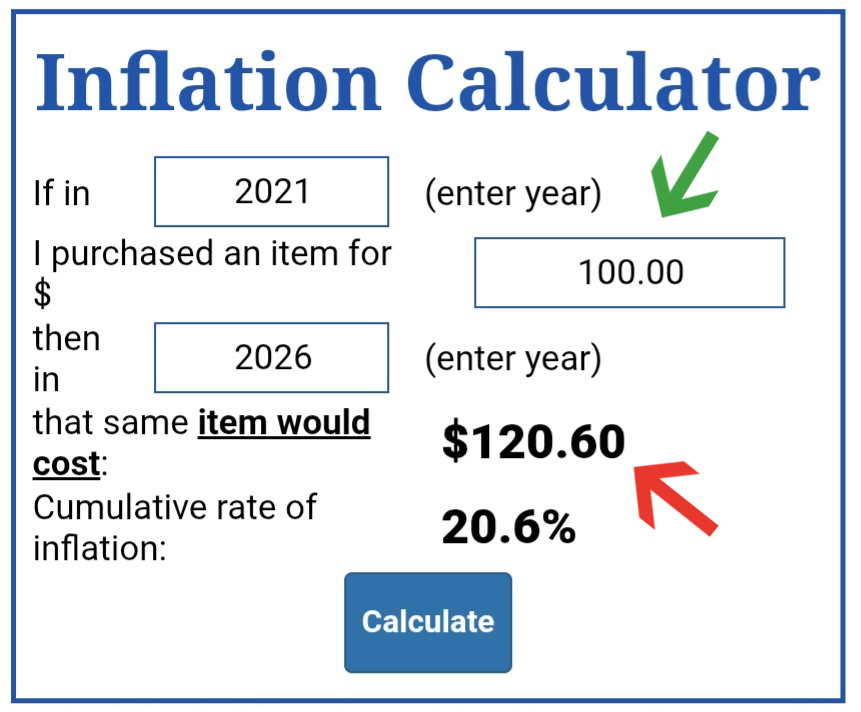
A $100 item in 2021 now costs $120 according to the government:
The lesson?
Always having a plan to make more money.
For example:
- Job hopping.
- Getting a promotion.
- Negotiating higher pay.
- Starting a side business.
The reality is..
The 3% or 4% annual pay raise most companies give their employees each year simply isn't enough to get ahead.
Knowing the government plans for things to cost more each year means it's important to also have a plan to make more money each year.
3. The Smart Investor
Investing is one way to stay ahead of inflation.
But there's many ways to invest and many options to consider.
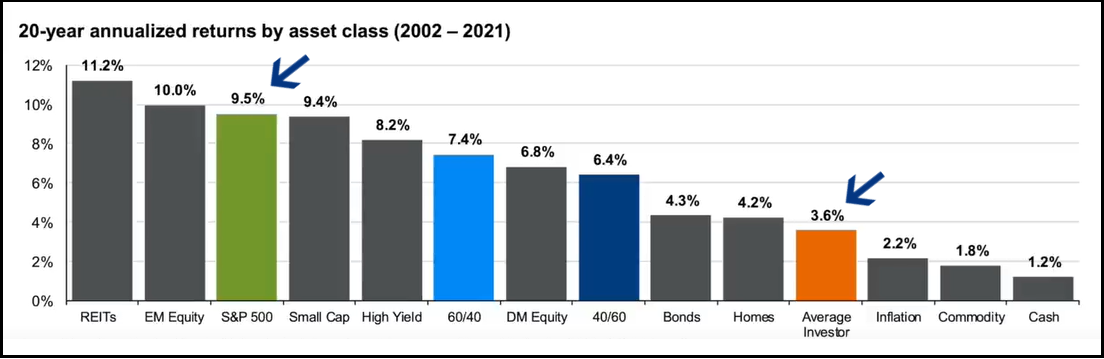
According to JPM Asset Management.
The average investor trying to "pick stocks".
Does worse than the average investor simply investing in an S&P500 Stock Fund.
Source: JPM Asset Management
An S&P500 Stock Fund includes 500 of the largest companies in America.
And between 2002 and 2021 money invested in an S&P500 Stock Fund.
Grew faster than people trying to pick their own stocks.
Examples of different S&P500 Stock Funds:
- SPDR S&P 500 (SPY)
- Vanguard S&P500 (VOO)
- iShares Core S&P500 (IVV)
For decades S&P500 Stock Funds have been growing faster than average investors trying to pick their own stocks.
4. The Investing Perks
Most employees receive a 3% to 4% annual raise.
It's been the norm for a long time.
The thing is..
Investments usually grow faster.
To better explain..
Inflation can be painful.
Because the cost of everyday living goes up.
Or inflation can be helpful.
Because the value of investments go up too.
Which benefits people who choose to invest.
For example.
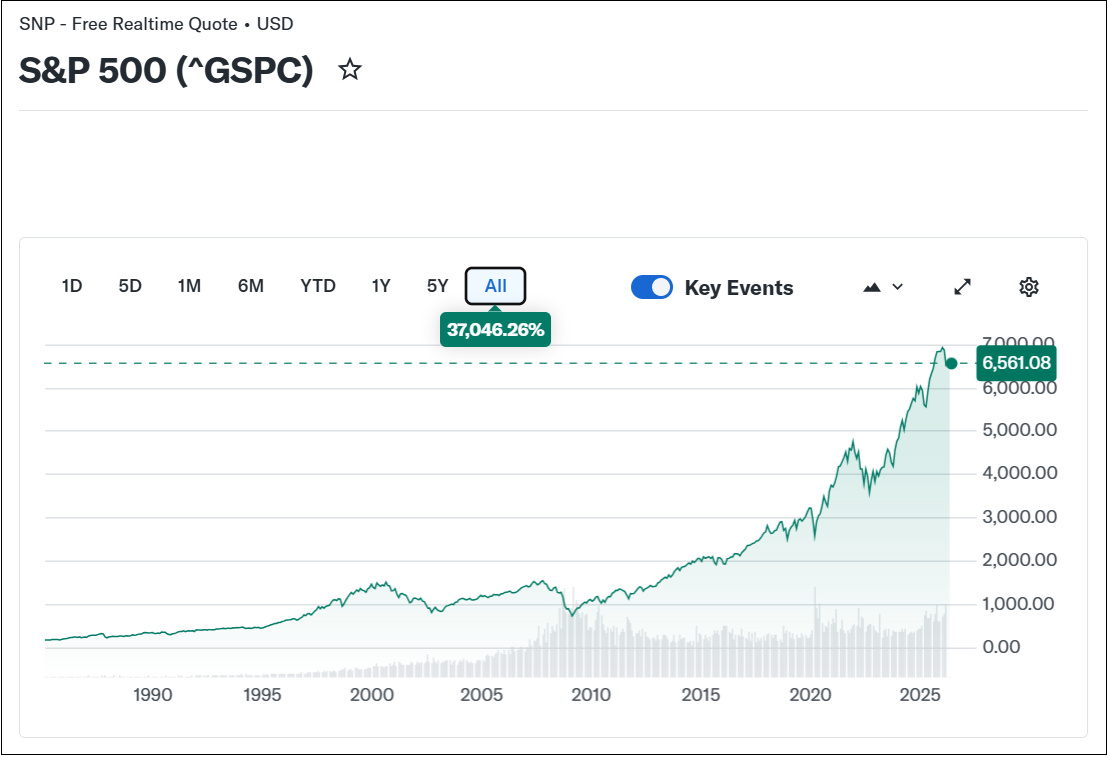
$100 invested in an S&P500 Stock Fund 30 years ago is worth almost $2,000 today.
Stock market history
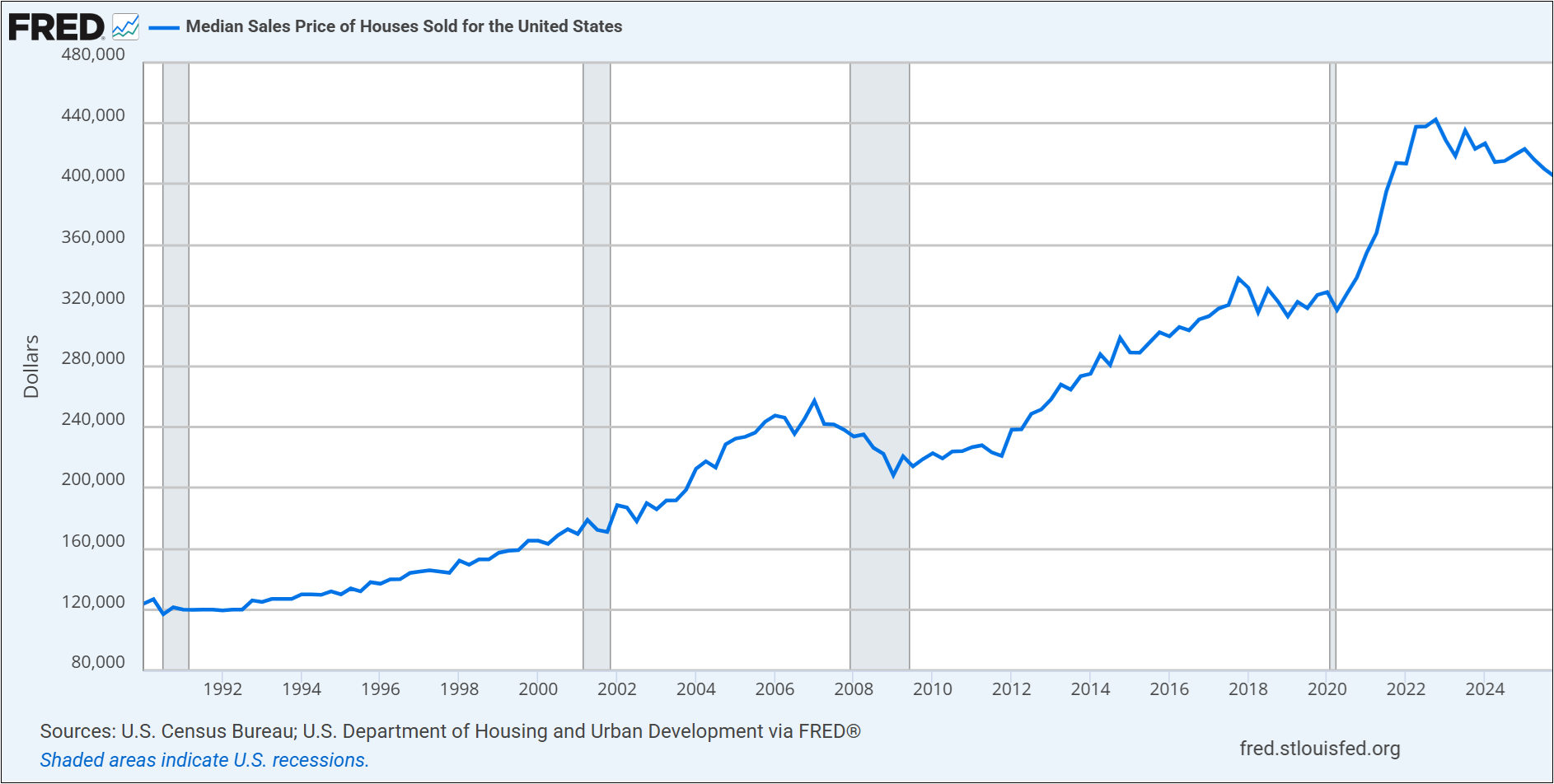
A $130,000 home bought 30 years ago with a home loan is worth around $400,000 today.
House price history
A $300 ounce of gold bought 30 years ago is now worth almost $5,000 today.
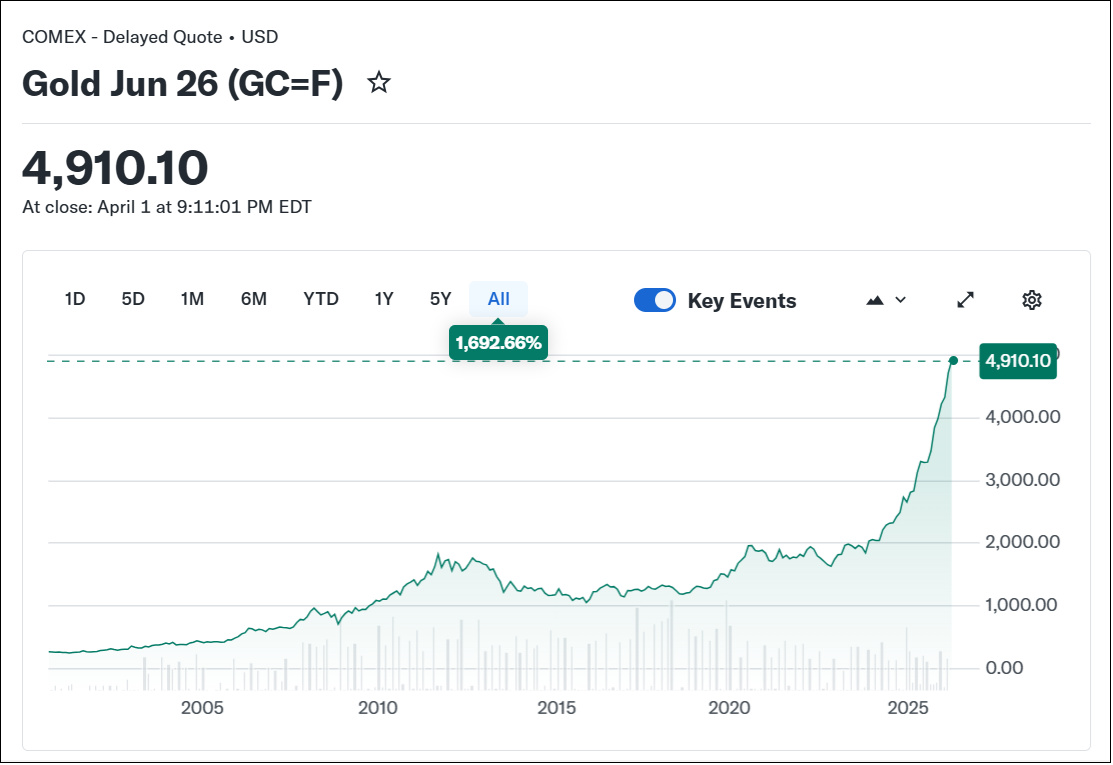
Gold price history
The cost of things continue to go up decade after decade.
People who choose to invest part of their pay each month often benefit from inflation.
5. The Tax Free Income
The IRS favors investors.
For example.
Let's say Dave is a single guy that rents an apartment.
He doesn't have any extra tax write offs.
And works a 9-5 job making $65,000 per year.
Here's how much money he'd pay in Federal Taxes in 2026 according to the IRS:
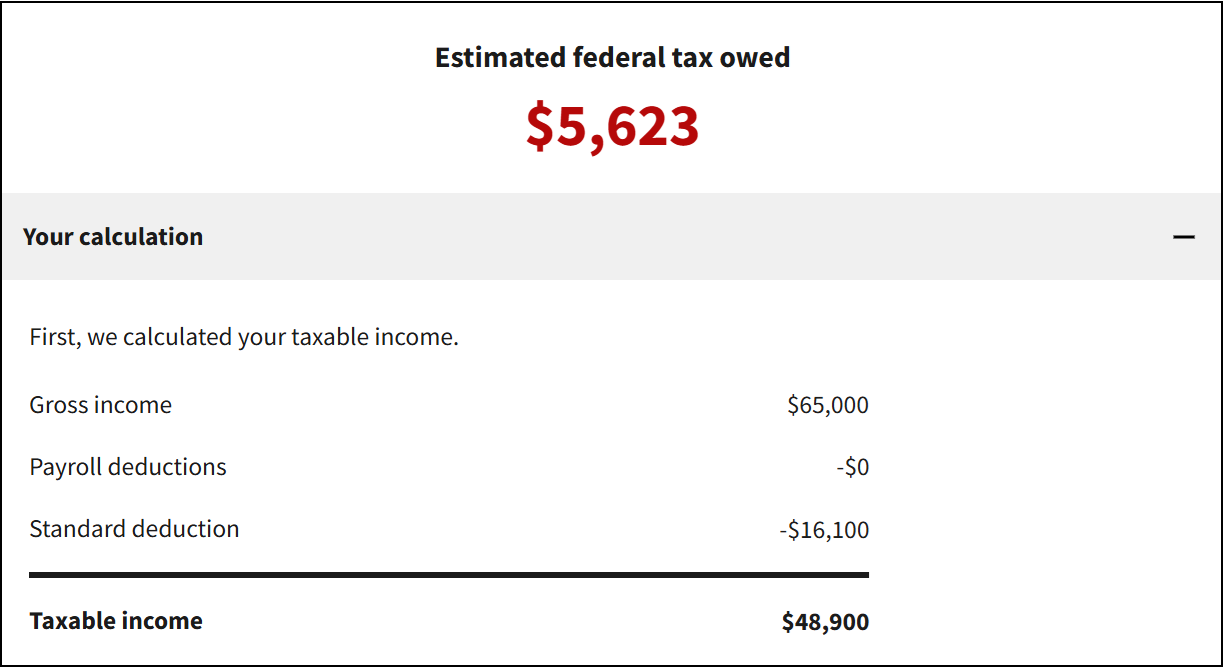
IRS estimate
According to the IRS website.
$5,623 of the money Dave makes would go to pay his federal taxes.
A hefty chunk.
Now let's run another example.
This time, let's say Dave isn't working a regular 9-5 job.
Instead, he sells an investment inside his general investing account.
Let's say it's an investment he's had for longer than a year and makes $65,000 in profit (he's been investing a long time).
If that was his only income, here's how much money he'd pay in Federal Taxes in 2026 according to the IRS:
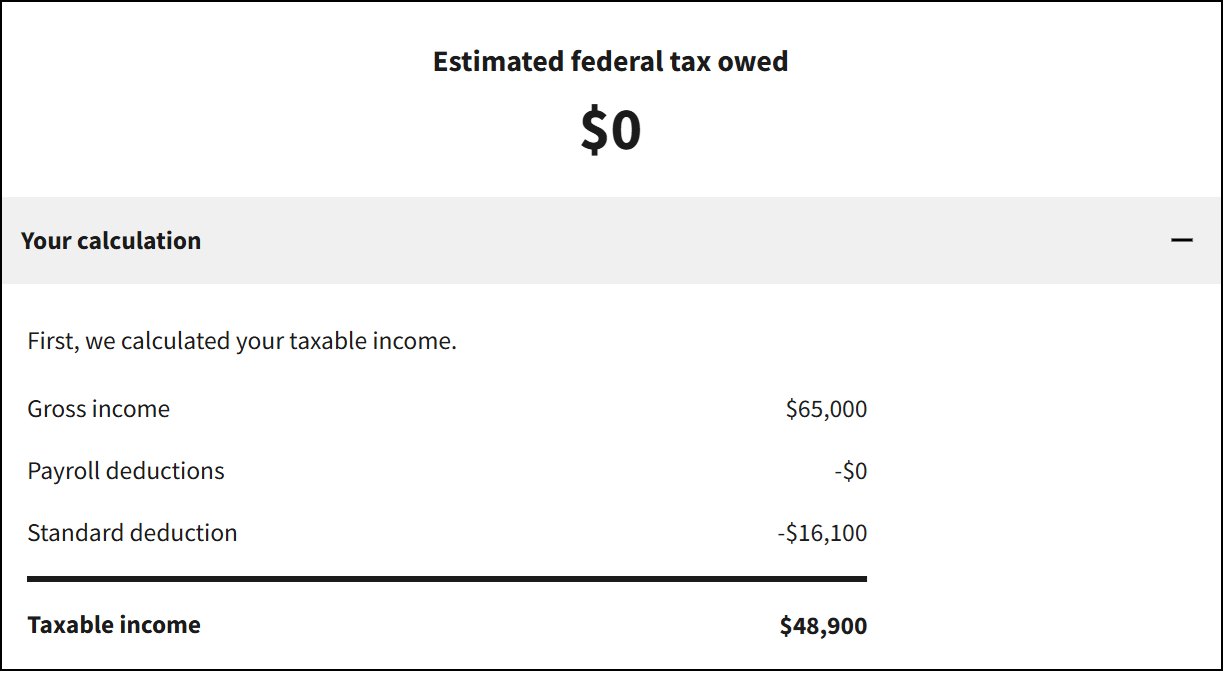
IRS estimate
Hard to believe right?
The Dave working 40 hour weeks making $65,000 in 2026 pays $5,623 in federal taxes.
The Dave not working a 9-5 job that sells a long term investment making $65,000 in profit in 2026 pays $0 in federal taxes.
You can run your own examples with the IRS Tax Withholding Estimator here.
People making money from long term investments are treated differently than people making money as an employee.
NOTE: With taxes it's important to talk with a professional about your individual situation.
The bottom line
Back when I was was a junior in high school.
Working 3 hours a day at that insurance company.
I remember overhearing a few employees in the break room talking about rich people.
About how rich people paid less taxes.
About how disgusted they felt over it and how unfair it was.
I understood their point.
But I also found myself thinking..
What do rich people know that I don't know.
And how the hell can I pay less taxes too?
It wasn't until later in life while working in my banking job that I realized rich people pay less taxes because of the way they make money.
Most of them were just normal people.
That focused on saving and investing.
And over time..
More and more of their income came from investments.
And less and less of their income came from employment.
Until one day, their main source of income was investments.
From real estate.
OR
From investing in a Roth IRA.
OR
From investing in a general investing account (usually called a "brokerage" account).
They simply decided to play a different game with their money.
I hope these 5 things are useful things to know on your investing journey.
That's all for today.
See you next Saturday.