
How to Save Extra Money (the 3 big ways)
Jul 18, 2026Read time - 4 minutes / Disclosure
Knowing how to save extra money can:
- Lower your bills.
- Lower your stress.
- Help boost your bank account.
Unfortunately, the cost of living keeps climbing.
The Prices
According to Ramsey Solutions, the most expensive things most people have to pay for each month are:
- Housing.
- Transportation.
- Food.
These things add up quick.
Things I've struggled with at certain points in my life.
But discovering unique ways to save can lead to less stress and more money in your pocket.
"Saving is the gap between your ego and your income."
– Morgan Housel
Being $80,000 in debt at age 29 felt like torture.
My mind raced daily thinking about it.
Would I ever pay it off?
Would I live paycheck to paycheck forever?
How the heck did I even get to this point?
It was stressful.
And mentally draining.
I even thought about filing for bankruptcy.
The Motivation to Change
But being in that situation forced me to learn every money saving hack, trick or short-cut I could get my hands on.
To finally get out of debt.
To have a peaceful mind again.
To focus more on investing and leaving 9-5 life early.
Working in banking at the time was a big help.
Watching all of the different ways people saved money to pay off their debt was motivating.
One guy I came across had almost $500,000 in student loan debt.
But he was chipping away at it like a champ.
The 3 Big Ways to Save Money
Getting rid of my $80,000 in debt taught me a lot about how to save money.
Without having to live off rice and beans everyday.
Here's the 3 biggest costs most people have every month (and 3 big ways to save money on each).
Let's dive in.
1. Housing Costs
Most people's housing costs are over 30% of their monthly income.
That's huge.
Here's three different ways to save money.
The Renter Hack
According to the Urban Institute, 92% of landlords that are companies raise rent every year.
But only 52% of landlords that are individuals raise rent every year.
Choosing to rent from an individual person instead of a company can be a big way to save extra money.
The Space Hack
If you're a homeowner or a renter with extra space.
Like an extra bedroom, a garage or even a downstairs basement.
Extra space can fetch extra money too every month if you don't mind renting it out and being a part-time landlord.
The Parking Hack
Parking pays.
Especially if you live in a desirable area.
Renting out a parking space you're not using as a renter or as a homeowner can be an extra source of income.
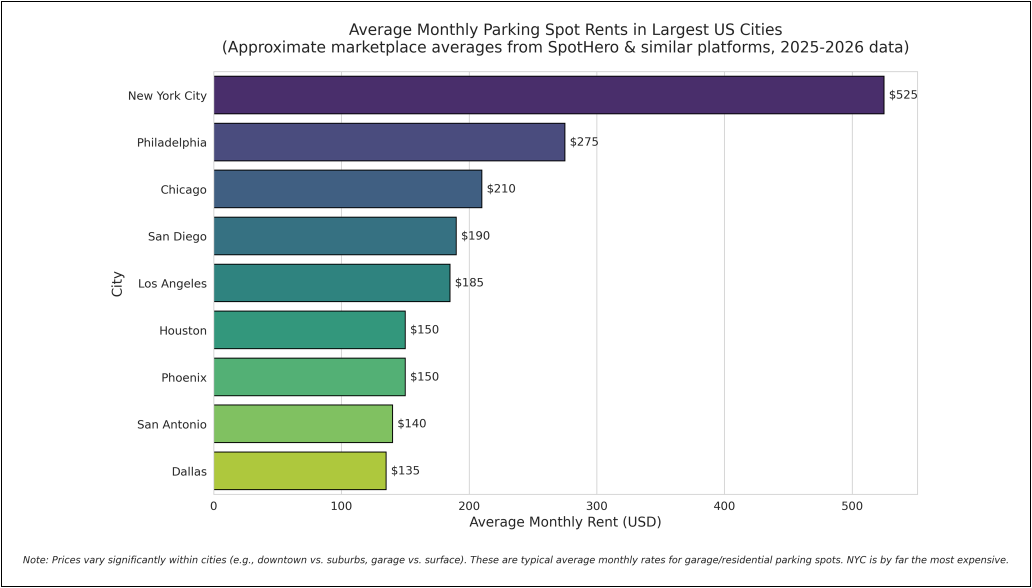
Renting from an individual person, choosing to rent out extra space or renting out unused parking can save you hundreds of dollars per month.
2. Transportation Costs
Most people's transportation costs are over 15% of their monthly income.
A hefty chunk.
Here's three different ways to save money.
The Insurance Hack
According to Consumer Reports, most drivers that switch their car insurance save $461 per year on average.
But many drivers stick with their same insurance company and don't shop around.
Shopping around just 15 minutes every few years can be a big money saver.
The Neighborhood Hack
Commuting 30 to 60 minutes to work and 30 to 60 minutes home from work is expensive.
Gas, new tires and oil changes all add up.
Choosing to live and work in the same neighborhood (if possible) can save a lot of money and a lot of commuting time.
Plus, having the ability to go home for lunch everyday is nice and can also be a money saver.
The Driver Hack
An average new car payment is almost $800 per month.
Choosing to keep a car long term without a monthly payment has extra perks like:
- Car insurance is cheaper when you don't have a car payment because you don't need to have "full coverage" insurance.
- Getting a loan to buy a home is easier when you don't have a car payment because you have less monthly bills to pay.
And the life span of a modern car continues to grow.
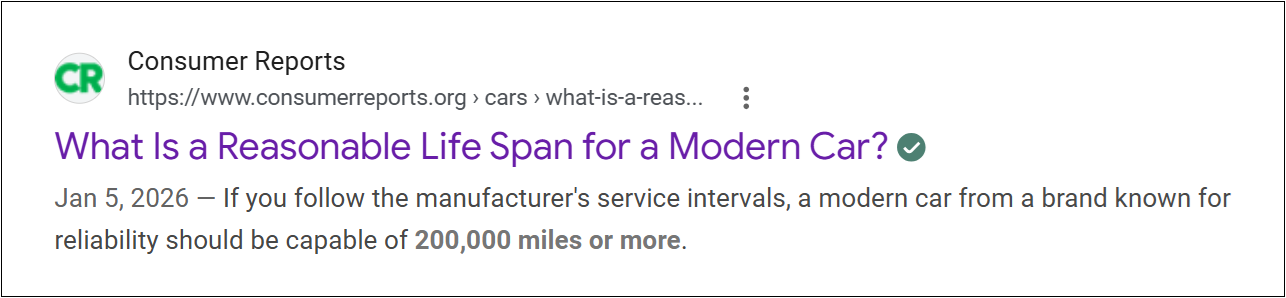
Shopping for car insurance, choosing to live close to work (if possible) or keeping a car long term can save you hundreds of dollars per month.
3. Food Costs
Most people's food costs are over 10% of their monthly income.
It adds up quick.
Here's three different ways to save money.
The Delivery Hack
According to the U.S. Bureau of Labor Statistics, eating at home averages $3-$5 per meal while eating at a restaurant averages $15+ per meal.
Many grocery stores offer weekly food delivery with no extra shipping costs when using their free mobile app.
More food in the home often means less eating out.
The Appetizer Hack
Meeting friends at a restaurant is a big part of our culture.
So, how do you keep up with friends without destroying your budget?
Appetizers.
Consider choosing an appetizer at a restaurant instead of a full entree when catching up with a friend (especially if you have a bunch of groceries at home because you're using the delivery hack).
The Envelope System
One way to aggressively save money on eating out is to use the envelope system.
How it works:
- The 1st day of every month put cash in an envelope. For example, $500.
- Every time you eat out at a restaurant, use the cash inside the envelope to pay.
- Once the cash is all gone, you eat at home for the rest of the month.
On the 1st day of the next month, you start the game over again and put more cash inside the envelope.

Another way to do this is to buy a prepaid visa or mastercard at the store or on Amazon if you don't want to carry around an envelope full of cash.
Using grocery delivery, choosing to eat light at restaurants or using the envelope system can save you hundreds of dollars per month.
The bottom line
Thinking of ways to save money can be a pain.
It can feel stressful and overwhelming.
Especially when it feels like the money going out each month, is more than the money coming in each month.
If that's where you're at right now, I feel your pain.
I've been there before myself.
Or maybe you've made it past that point.
And you're trying to find ways to save and invest more money.
If so that's a wonderful place to be.
Either way, I hope one or two of these money saving hacks are useful tools to have on your wealth building journey.
That's all for today.
See you next Saturday.