The Passive Income Escalator (5 income types)
Dec 27, 2025Read time - 4 minutes / Disclosure
Making passive income can lead to:
- Working less.
- Earning more.
- Leaving 9-5 life early.
Unfortunately, most schools don't teach passive income.
40 Hour Weeks
The modern education system teaches people:
- To trade time for money.
- To specialize in 1 thing.
- To do it for 40 years.
Most people follow that path.
Heck it's the path I followed.
But after working in finance.
And watching the different ways people make money.
I noticed some people were playing a different game.
A game that favors passive income.
The old American retirement plan:
— JOHN HENRY (@thejohnhenry_) September 16, 2025
20s: No plan
30s: No plan
40s: No plan
50s: Panic
60s: Panic
70s: Panic
The new American retirement plan:
20s: Invest a lot
30s: Invest a lot
40s: Invest a lot
50s: Enjoy
60s: Enjoy
70s: Enjoy
I wanted to follow this new plan too.
To focus more on investing.
To leave 9-5 life early.
To work part time for myself.
To not have to ask a boss for time off.
To not feel like I was wasting my life sitting in a cubicle for 40 years.
So I watched wealthy bank clients.
And did what they did..
Focused on creating passive income.
Income that would allow me to leave my 9-5 job decades early.
It wasn't easy starting from scratch.
But it was worth figuring out.
"You want to build wealth so you don't have to waste your life grinding away at a soulless job that doesn't fulfill you."
— Investor Naval Ravikant
The Passive Income Escalator
I learned there's 5 common ways people make money.
Some ways are passive.
And some ways aren't.
For many people it looks like this:
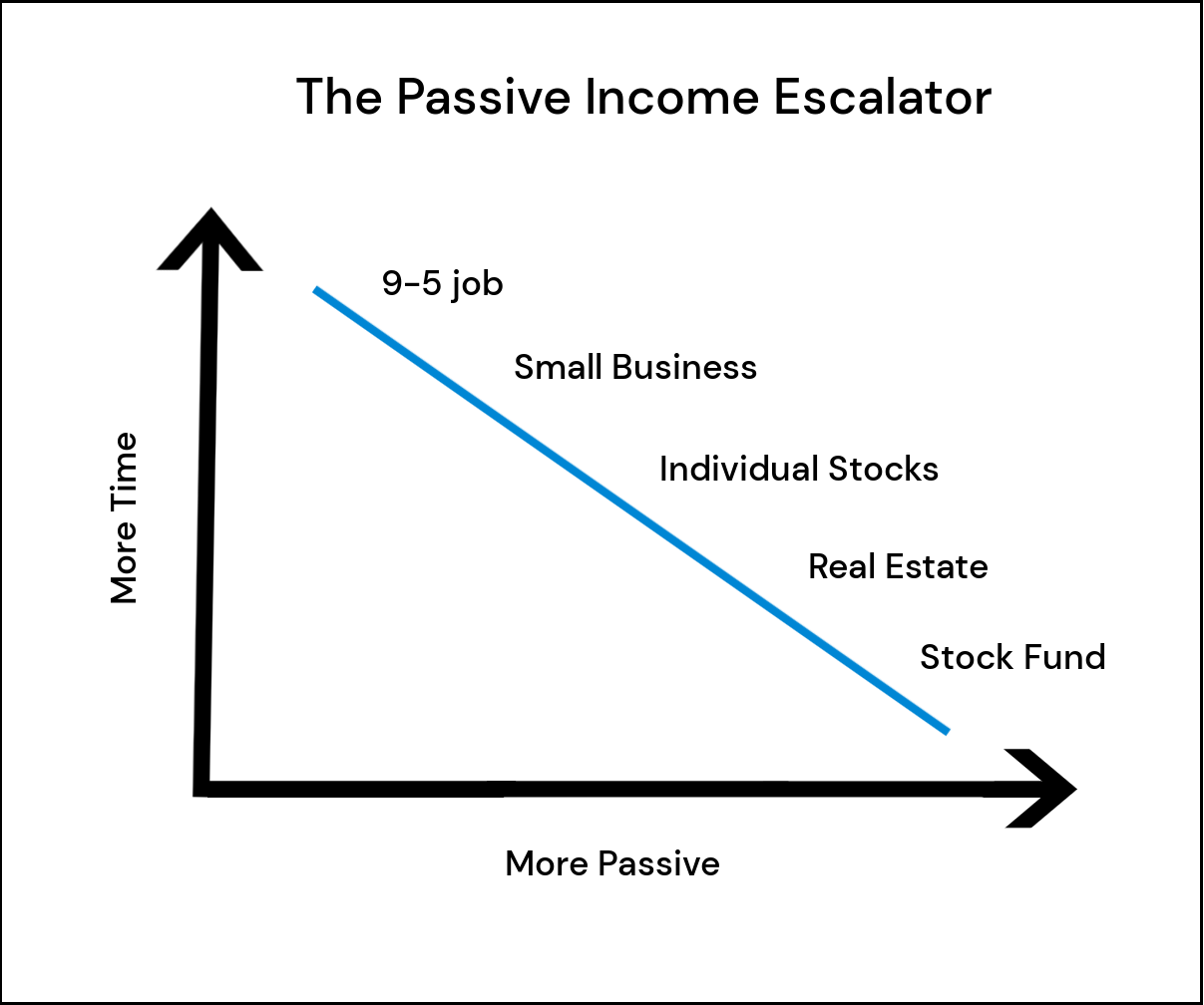
Here's a breakdown of the 5 ways from least passive to most passive.
Hope it's useful.
Let's dive in:
1. The 9-5 Job
Most people work a 9-5 into their 60s.
Then take social security.
And hope they have enough money to enjoy retirement.
It's the path the school system teaches.
It's the path I started off on too.
Working different jobs is a great way to learn new skills.
But having a 9-5 and a boss means trading 40 hours each week for money.
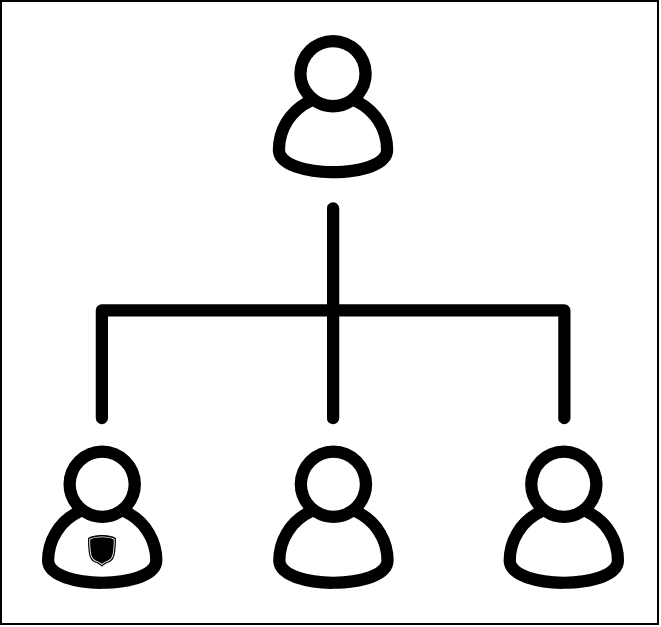
Making more money often means getting promoted.
And getting promoted often means more responsibility and working 40-55 hour weeks.
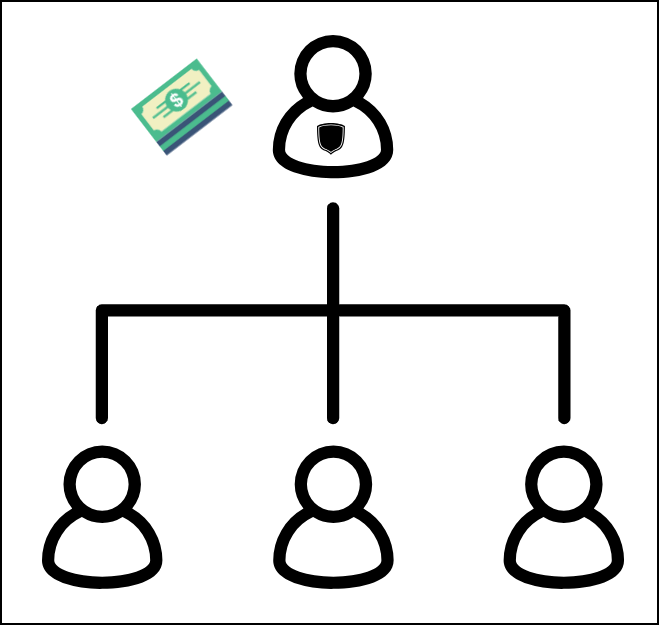
A 9-5 job is the least passive way to make money. Not working means not getting paid.
2. The Small Business
Starting a small business requires more skills than a 9-5 job.
But it has more passive income potential.
For example.
Michael works in a pet store.
He decides to create a social media account about dog training.
He talks about his job at the pet store so people view him as credible.
And he posts dog training tips everyday on his social media channel.
As time goes by his account grows larger and larger.
Sponsors reach out to Michael asking if he'll promote their products to his audience.
Things like dog food, dog leashes and dog vitamins.
They pay him each time he promotes their item.
Michael also decides to create a $50 dog training video course and offers it to his audience.
When someone buys the online course, they receive instant access without any extra effort from Michael.
The internet has become a popular place to make money sharing knowledge.
I watched many people do this in my finance job which motivated me to start Millennial Wealth Education.
Justin is a great follow if you want to start a small online business of your own.
Your expertise is worth more as content than it is as labor.
— Justin Welsh (@thejustinwelsh) October 21, 2025
Small businesses can offer digital products online or use sponsors to make money 24/7.
3. The Individual Stocks
Stocks can have massive upside.
100% return
1,000% return
10,000% return
But picking the right stocks takes work.
And means researching...
...of each company you invest in.
Companies listed on the stock market are required to share detailed reports about company progress every 3 months.
So if you invest in 10 different stocks.
Reading reports on 10 different companies every 3 months can be time consuming.
But not reading these reports.
And not keeping track of the companies you own and why.
Means not knowing when it's time to sell a stock you own.
Owning individual stocks can have massive upside but takes time keeping track of what you own and why. Owning individual stocks can also have massive downside if you invest in the wrong companies.
4. The Real Estate
Everyone needs a place to live.
Some people choose to rent.
And some people choose to buy.
Working with a loan officer to get a loan and buy a home means:
- Replacing the carpet when it gets old.
- Replacing the dishwasher when it breaks.
- Replacing the toilet when it stops working.
But it also means..
Owning an asset.
An asset that's went up over 300% since 1995 according to the U.S. Census Bureau.
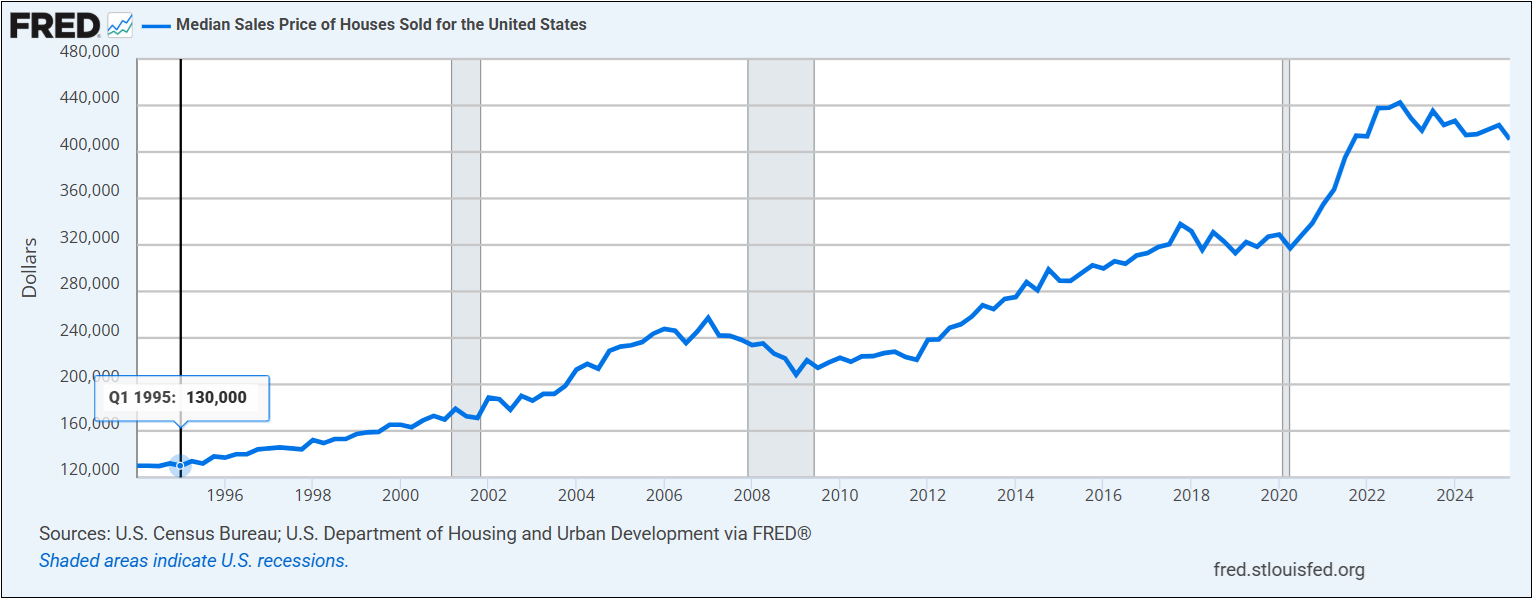
Home prices
(my cheat sheet for getting money when buying a home)
Owning a home or rental property takes time and money but also means benefitting when home prices go up.
5. The Stock Fund
I've found owning a stock fund to be the most passive investment.
Instead of researching several companies.
And buying several stocks.
Buying an S&P500 stock fund means automatically owning 500 of the largest companies on the stock market.
For example.
$100 invested in the Vanguard S&P500 fund VOO (one of the largest stock funds).
Means owning:
- $7.37 of NVDA stock.
- $7.07 of Apple stock.
- $6.24 of Microsoft stock.
- $3.86 of Amazon stock.
- $3.24 of Broadcom stock.
Plus 495 other stocks.
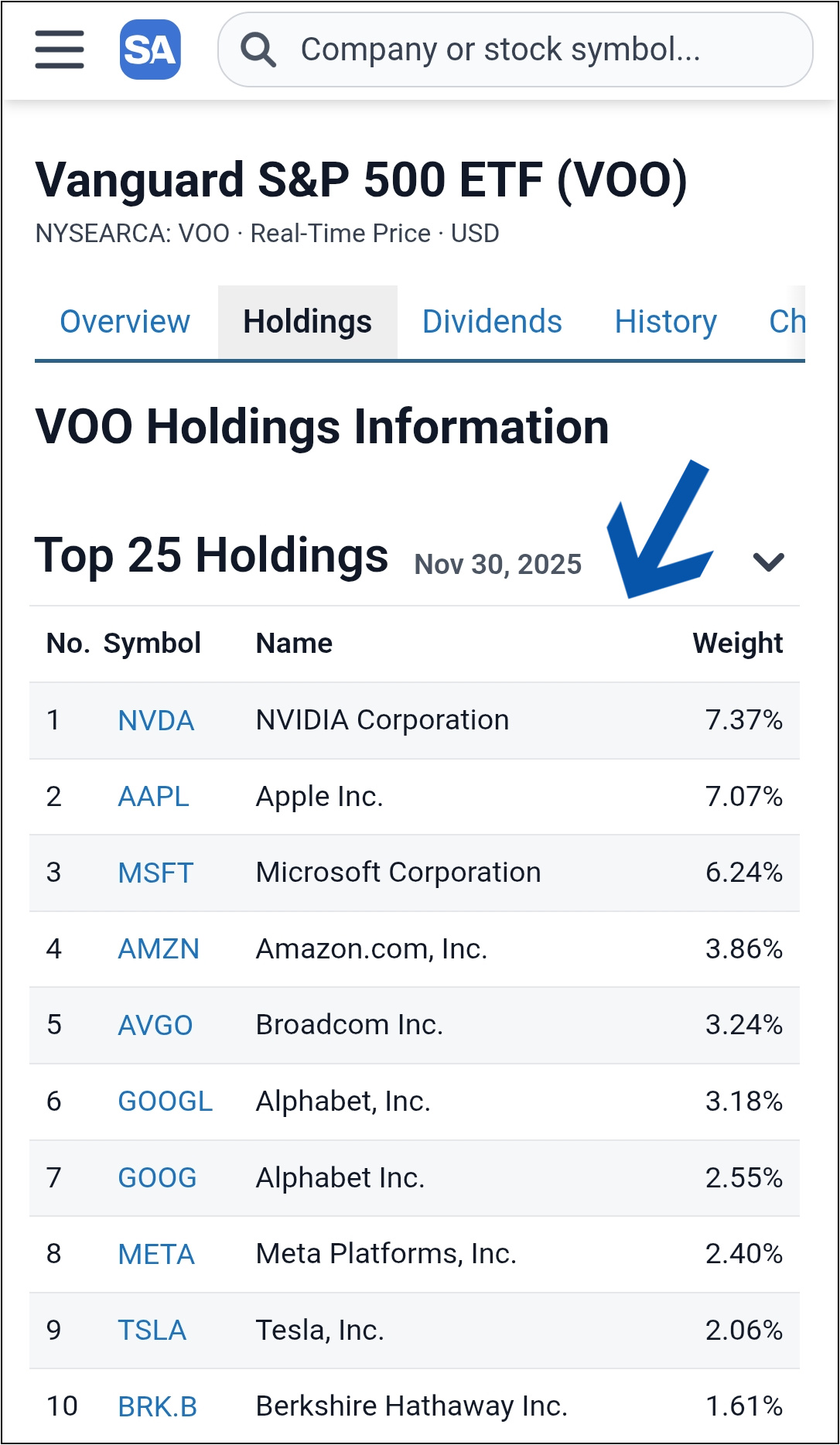
Buying an S&P500 stock fund means passively owning 500 of the largest companies on the stock market. The S&P500 has went up 10% per year on average since the 1990s.
The bottom line
Learning the different types of income.
And which incomes types are more passive.
Helped me decide what to focus on as a beginner investor.
Back when I was starting from scratch and didn't know anything.
But I knew I didn't want to work a 9-5 job my entire life.
Which motivated me to get better with my money.
And use my 9-5 income to own assets that were more passive and required less time.
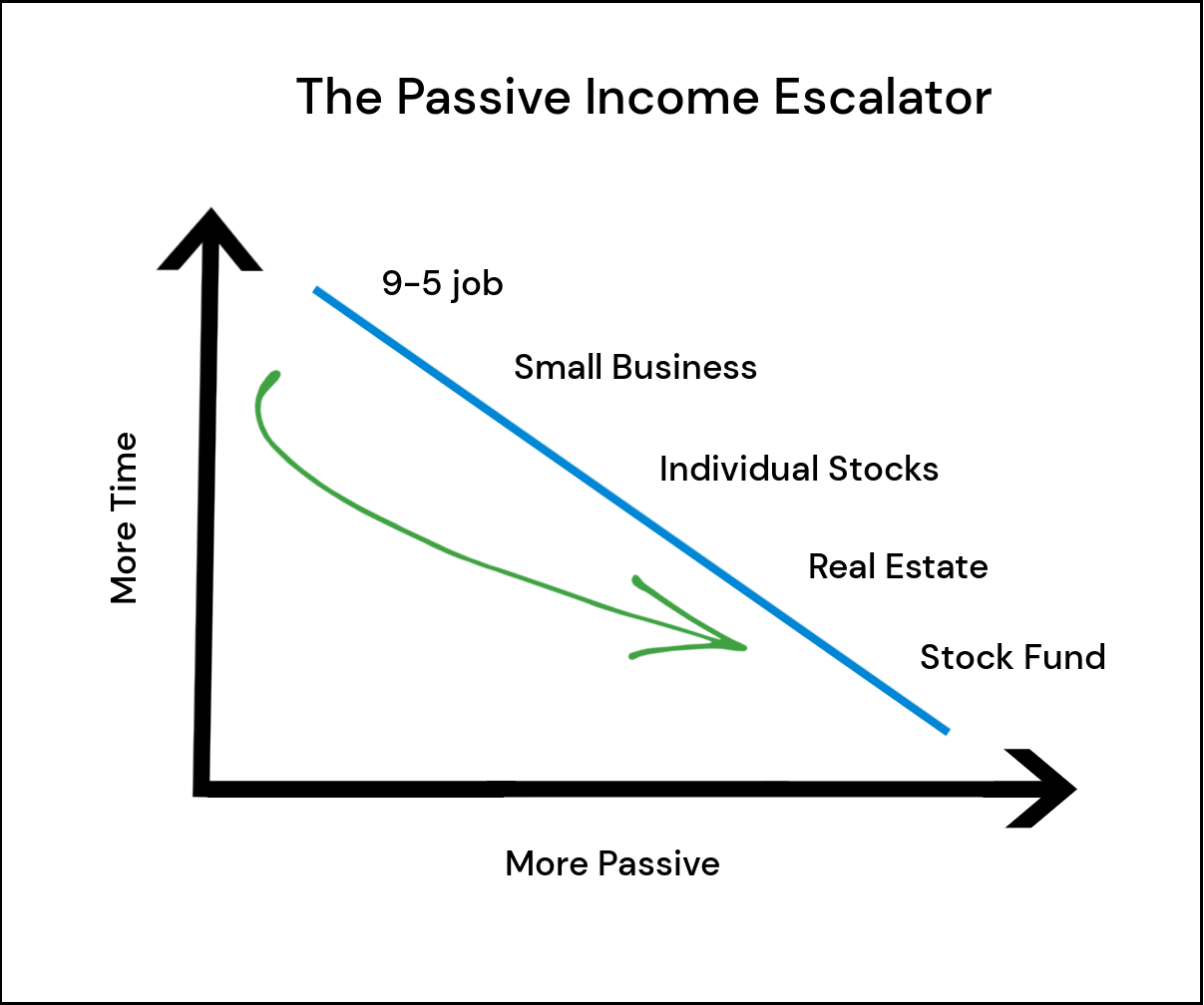
Focusing on that for a decade allowed me to quit my 9-5 finance job in my later 30s.
To have more control of my time.
To start this little online education business.
To do something that feels more like play than hard work.
It sure wasn't easy.
But it was worth figuring out.
If you want to leave 9-5 life early too.
To sleep in more.
To have more control of your time.
To do your own thing.
I'm rooting for you.
I hope sharing what I've learned working in finance is useful in some way.
And I hope you had a great holiday week with your family and friends.
That's all for today.
See you next Saturday.